تاریخ انتشار: 1405
محل انتشار: Iranian international Journal of Science, Culture and Art
دوره 2، شماره 2
بازدید: 14
زبان: انگلیسی
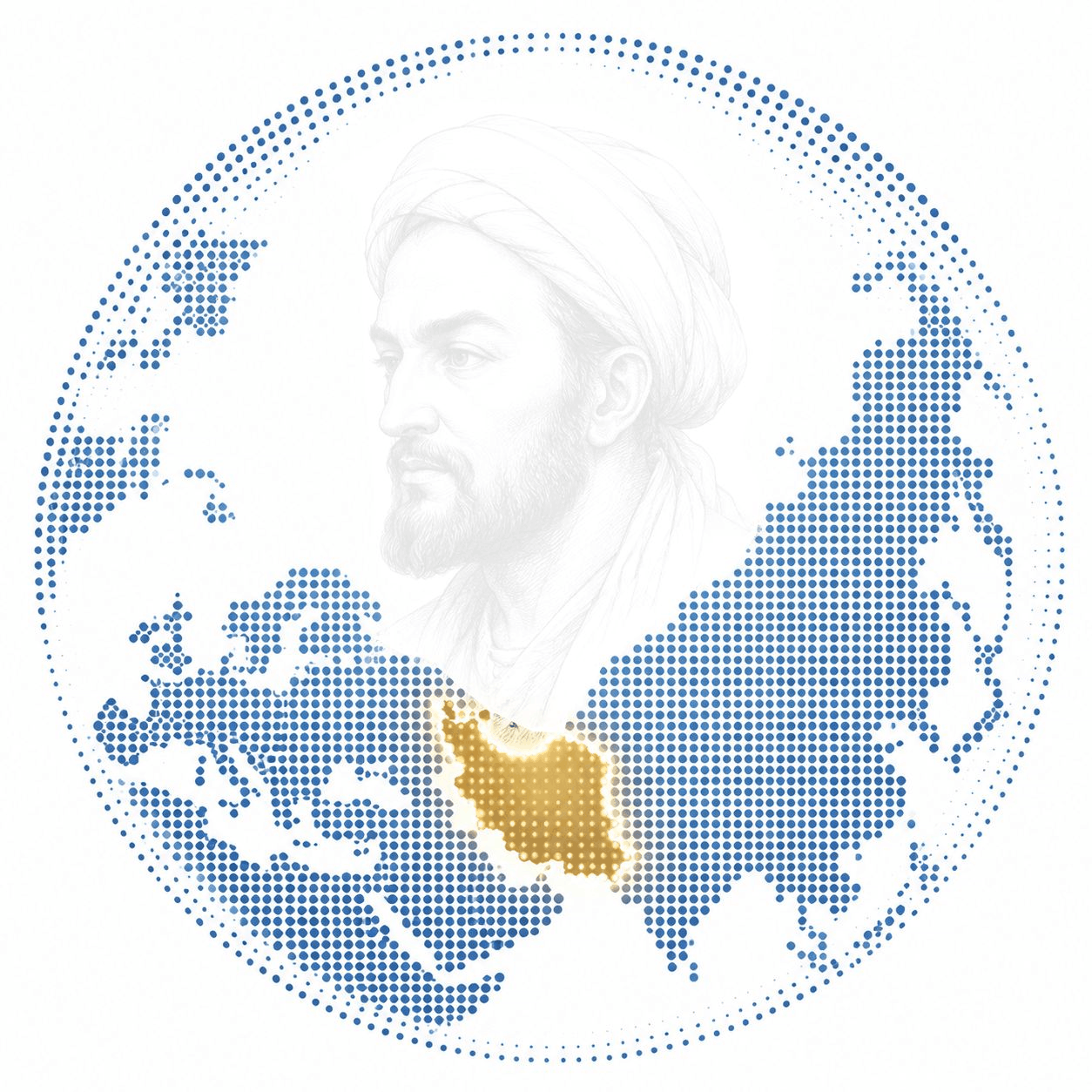
چگونه جوامع تصمیم میگیرند چه کسی شایسته به یاد ماندن است. در طول تاریخ بشر، جوامع چهرههایی را خلق کردهاند که نه تنها به خاطر دستاوردهایشان، بلکه به خاطر آنچه زندگیشان به نظر میرسد نشان میدهد، به یاد آورده میشوند. آنها به نمادهای شجاعت، هوش، خلاقیت، پشتکار، شفقت، رهبری یا اکتشاف تبدیل میشوند. نام آنها از نسلی به نسل دیگر منتقل میشود، تصاویرشان آشنا میشود و داستانهایشان به تدریج معنایی پیدا میکند که فراتر از خود افراد گسترش مییابد. اما واقعاً الگو قرار دادن کسی به چه معناست؟ این سوال تا زمانی که آن را از نزدیک بررسی نکنیم، ساده به نظر میرسد. هر جامعهای قهرمانان، روشنفکران، هنرمندان، دانشمندان، ورزشکاران، رهبران و چهرههای معنوی خود را دارد. با این حال، افرادی که برای تحسین انتخاب میشوند، به ندرت توسط یک فرمول جهانی انتخاب میشوند. آنچه یک فرهنگ به عنوان نمونه در نظر میگیرد، فرهنگ دیگر ممکن است به طور متفاوتی تفسیر کند. دورههای تاریخی نیز معیارها را تغییر میدهند. فردی که در یک نسل مورد تجلیل قرار میگیرد، ممکن است توسط نسل دیگری مورد سوال قرار گیرد، در حالی که افراد قبلاً نادیده گرفته شده میتوانند بعداً به مرکز حافظه جمعی یک جامعه تبدیل شوند.
How societies decide who deserves to be remembered. Throughout human history, societies have created figures who are remembered not simply for what they accomplished, but for what their lives appear to represent. They become symbols of courage, intelligence, creativity, perseverance, compassion, leadership or discovery. Their names pass from one generation to another, their images become familiar, and their stories gradually acquire a meaning that extends beyond the individuals themselves. But what does it actually mean to call someone a role model? The question appears simple until we examine it closely. Every society has its heroes, intellectuals, artists, scientists, athletes, leaders and spiritual figures. Yet the people selected for admiration are rarely chosen by a universal formula. What one culture regards as exemplary, another may interpret differently. Historical periods also change the criteria. A person celebrated in one generation may be questioned by another, while previously overlooked individuals can later become central to a society's collective memory
بیکاس، دانیل.(1405).طراحی شایسته الگوبرداری در هنر فرشهای وزین.Iranian international Journal of Science, Culture and Art2(2).